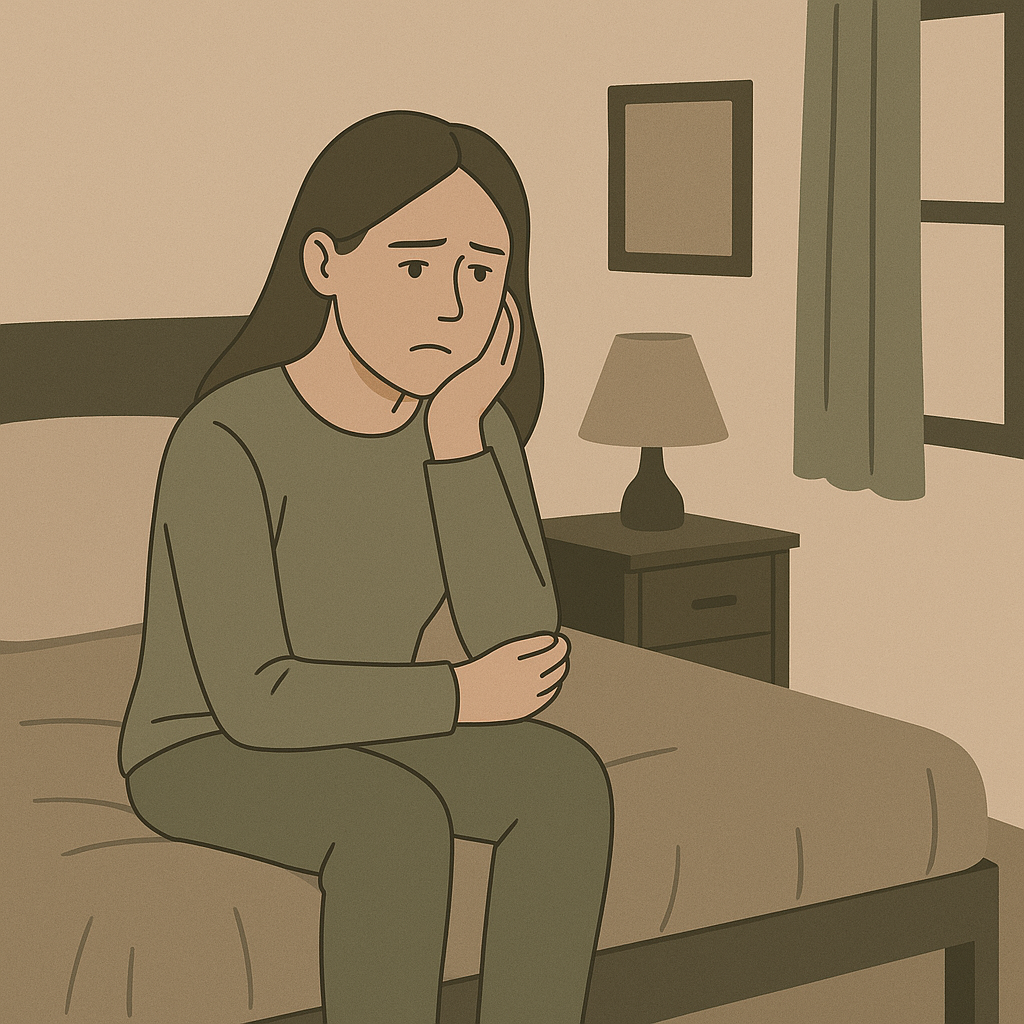
Agoraphobia
If this resonates, it doesn’t mean you’re broken or stuck like this forever. Agoraphobia is very treatable — especially with CBT and gradual, supported exposure, and sometimes EMDR/ACT, depending on what’s driving it.
What is Agoraphobia?
Agoraphobia isn’t just “fear of open spaces.”
It’s more like:
“I’m scared of being somewhere where I might panic, feel trapped, or not be able to get help… and that fear makes me avoid those places.”
The fear shows up in at least 2 of these situationsYou feel strong fear or anxiety in two or more of these areas:
Public transport (bus, train, tube, car rides, planes)
Open spaces (car parks, big streets, fields, bridges)
Enclosed places (shops, cinemas, small rooms, lifts)
Crowds or lines (supermarkets, concerts, waiting queues)
Being outside the home alone
You might be dealing with agoraphobia-type anxiety if you notice a pattern like:
“Certain places reliably set off my anxiety.”
“I worry I won’t be able to escape or cope if I feel panicky.”
“I plan my life around avoiding these situations.”
“I only feel safe if I’m with someone / near home / have an exit.”
Even if you’re not sure your symptoms hit all criteria, those patterns are still worth support.

The fear is about escape/help
The anxiety isn’t random — it’s usually tied to thoughts like:
“What if I panic and can’t get out?”
“What if something happens and no one helps?”
“What if I embarrass myself or feel out of control?”
So the fear is about being stuck, unsafe, or unsupported if symptoms hit.
These places almost always trigger anxiety
Not every single time — but typically, when you face those situations, your body goes into threat mode.
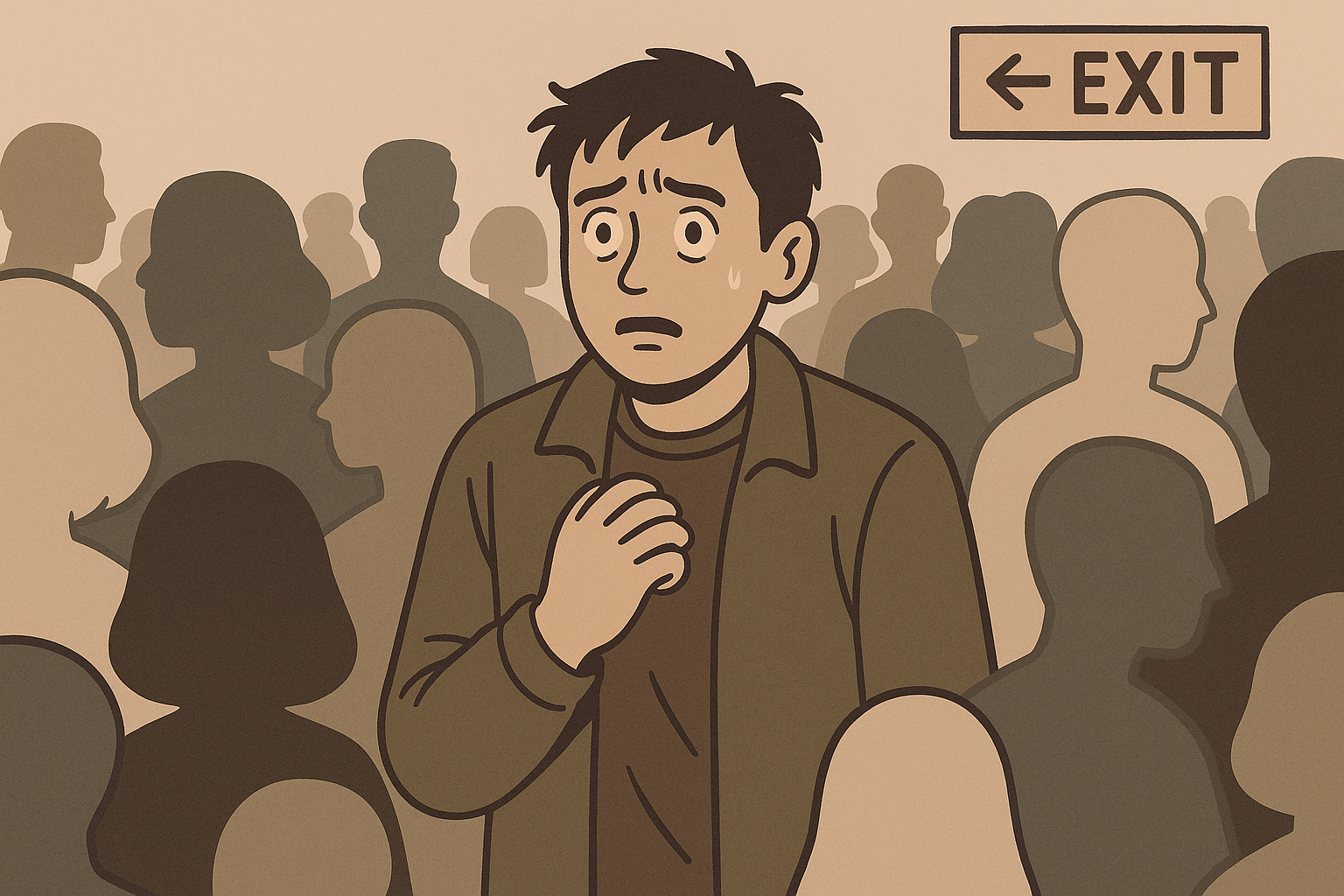
You start avoiding, needing support, or pushing through in distress
People often cope by:
avoiding those places entirely
only going out if someone comes with them
going out , but feeling intensely anxious the whole time
It feels bigger than the actual danger
A key part of agoraphobia is that the level of fear feels out of proportion to what’s realistically happening — even though it feels very real in your body.