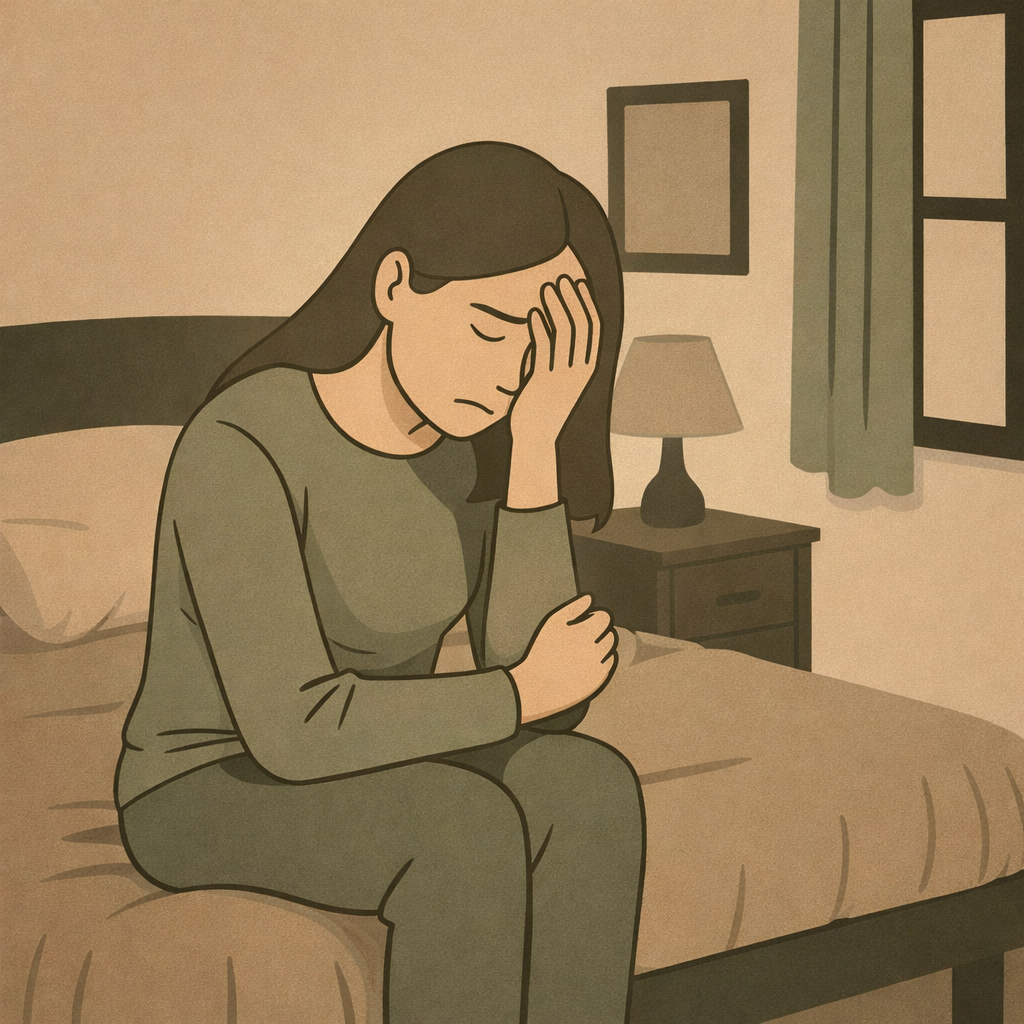
Body Dysmorphic Disorder (BDD)
If you notice hyper fixation on a specific area of your body and BDD resonates, it doesn’t mean you’re broken or stuck like this forever. Body Dysmorphic Disorder is very treatable — especially with CBT and gradual, supported cognitive behavioural experiments.
What is Body Dysporphic Disorder?
Body Dysmorphic Disorder (BDD) isn’t just “being insecure about how you look.” It’s more like:
“I’m stuck on a flaw in my appearance that feels noticeable and upsetting… even if other people don’t see it as a big issue. And that worry makes me check, hide, compare, or avoid things.”
The preoccupation shows up with both of these:
You have persistent preoccupation with one or more perceived flaws in appearance (the “flaw” is not noticeable to others or seems minor).
You do repetitive behaviours or mental rituals because of the concern (one or more of these):
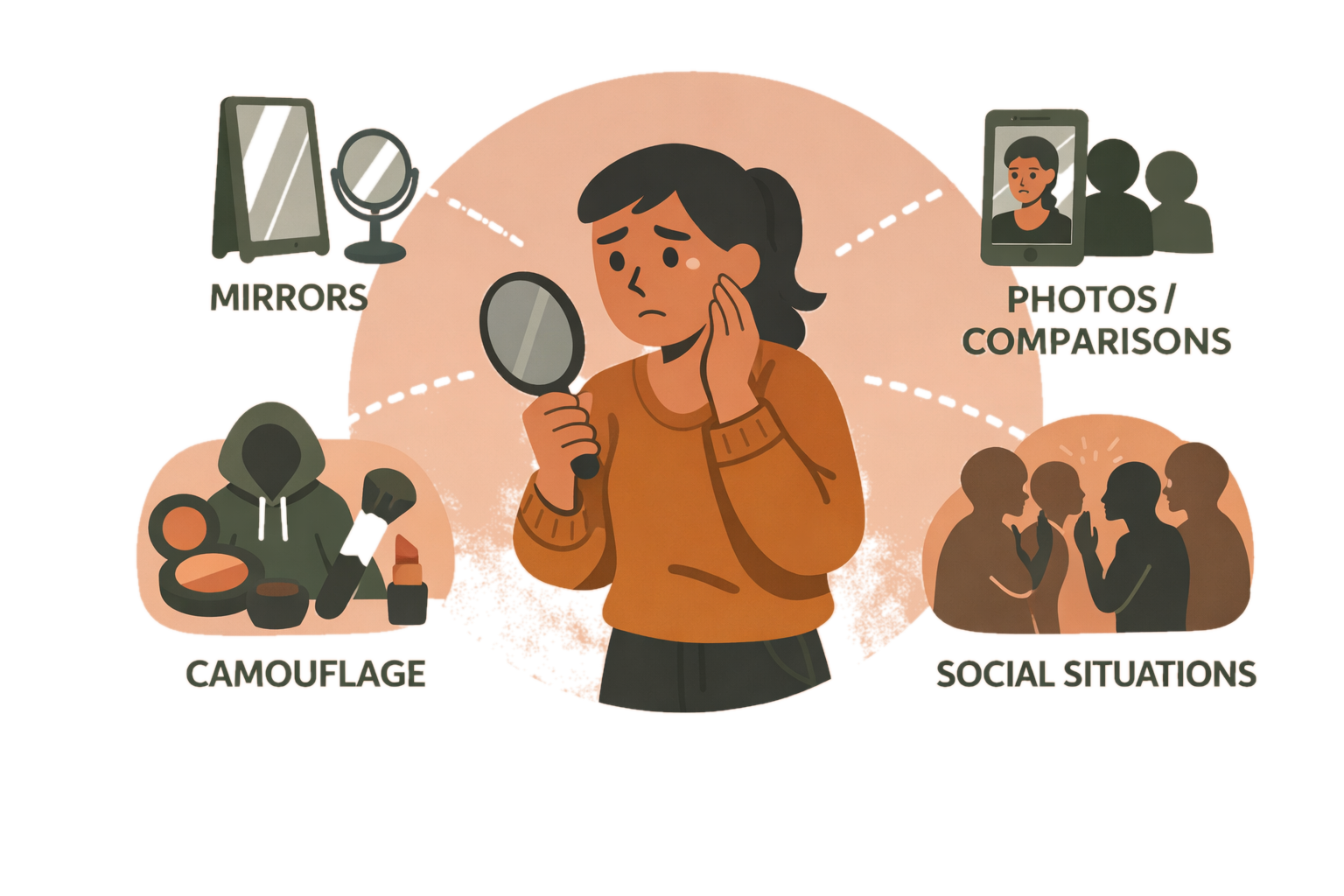
Mirror checking (or avoiding mirrors)
Excessive grooming (hair/skin/makeup/shaving)
Skin picking
Reassurance seeking (“can you see it?”)
Comparing yourself to others (in person or online)
Mental checking/replaying (“how did I look?” / “did they notice?”)
And the key impact:
It causes significant distress or makes life harder (socialising, dating, photos, work, going out, intimacy, leaving the house, etc.).
You might be dealing with body dysmorphic–type distress if you notice a pattern like:
“Certain features (or certain angles/lighting) reliably set off my anxiety or shame.”
“I worry people will notice, judge me, or think something is ‘wrong’ with how I look.”
“I plan my day around hiding, fixing, checking, or avoiding situations where I’ll feel exposed.”
“I only feel safe if I can control how I’m seen — makeup/hoodie/hair in place, good lighting, the ‘right’ clothes, avoiding photos, sitting a certain way.”
“I can’t relax until I’ve checked or ‘corrected’ it (mirrors, selfies, reassurance, comparing, researching fixes).”
Even if you’re not sure your symptoms hit all criteria, those patterns are still worth support.
The fear is about being seen/judged — and not being able to “hide” or control it
The anxiety isn’t random — it’s usually tied to thoughts like:
“What if they notice the flaw?”
“What if they’re staring or judging me?”
“What if I look disgusting / wrong / deformed?”
“What if I’m trapped in a conversation or a photo and can’t control how I look?”
So the fear is about feeling exposed, unacceptable, or out of control if the concern gets triggered.
These situations almost always trigger distress
Not every single time — but typically, when you’re in situations where your appearance feels “on display” (mirrors, bright lighting, close-up conversations, photos, social events, dating, gyms, salons), your body goes into threat mode and the urge to check, fix, hide, or escape ramps up.
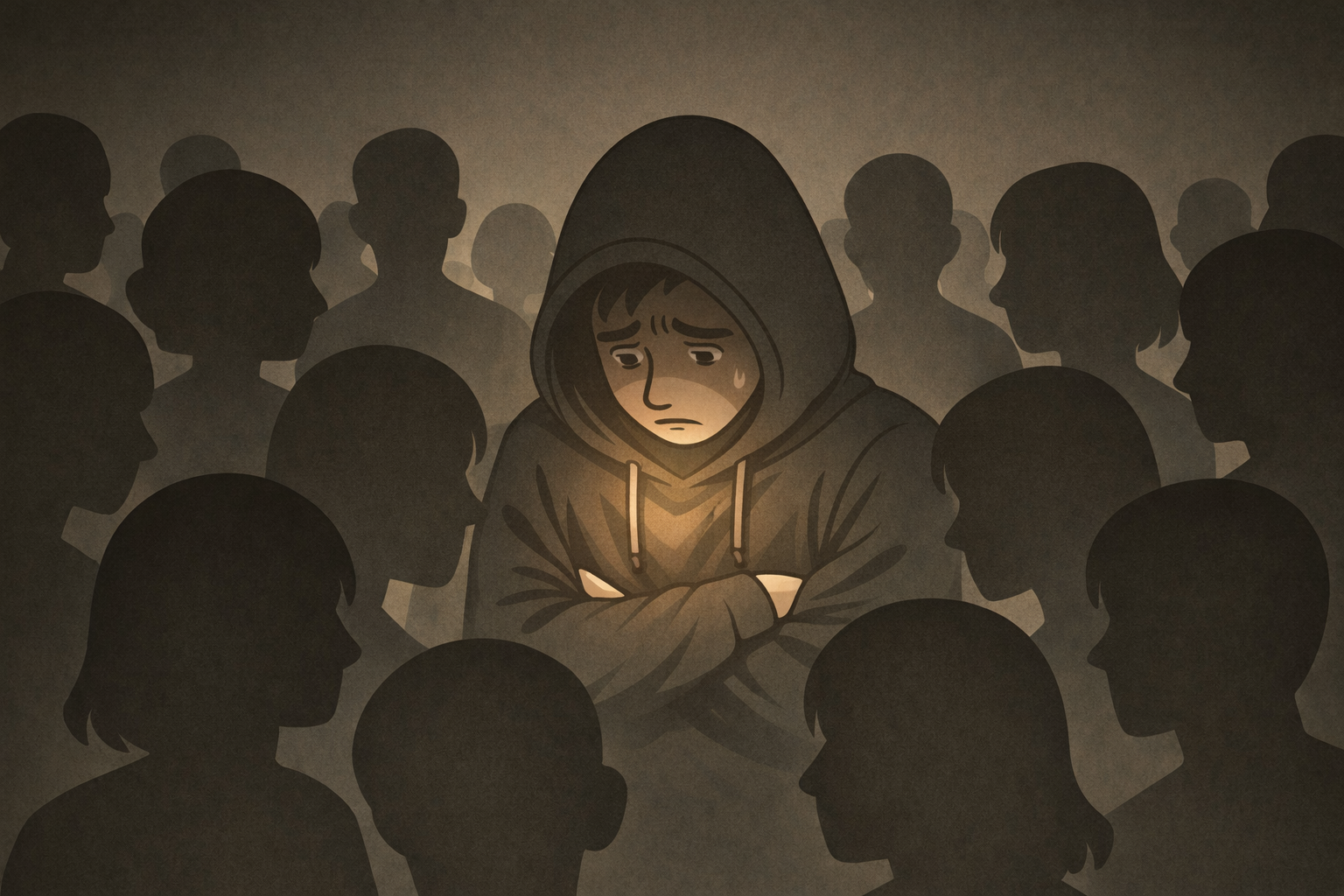
You start avoiding situations, feel a need for control, or push yourself through the distress
People often cope by:
Avoiding situations where they feel “seen” (photos, dating, bright lighting, mirrors, social events)
Only going out if they can manage how they look (makeup/hair/clothes “just right,” certain angles, sitting/standing in specific ways)
Going out, but feeling intensely distressed the whole time — stuck in checking, comparing, scanning faces for reactions, or fighting the urge to leave
It feels bigger than what’s actually happening
A key part of body dysmorphic distress is that the level of fear, shame, or disgust feels out of proportion to what other people would realistically see — even though it feels completely real in your body.
Your nervous system misinterprets the situation as though you’re in danger… even when the “threat” is really the feeling of being exposed, judged, or unacceptable.