

Depression/Low Mood
If this resonates, it doesn’t mean you’re broken or stuck like this forever. Depression is very treatable — especially with CBT, implementing gradual, supported behavioural/cognitive techniques, and sometimes EMDR/ACT, depending on what’s driving it.
What is Depression?
Depression/Low Mood
It’s not about feeling short term sadness or upset.
Rather a persistence of symptoms resulting in unhelpful behaviours and self critical/self berating thoughts.
“For at least a couple of weeks, my mood and energy have dropped so much that it changes how I think, feel, and function… and everyday life feels harder to do.”
The symptoms show up most days, nearly every day, for at least 2 weeks, with:
At least 1 of these core symptoms:
Low mood / feeling down, empty, or hopeless
Loss of interest or pleasure in things (even things you usually enjoy)
At least 5 of the following (including the core one/s):
Changes in appetite or weight (up or down)
Sleep changes (insomnia or sleeping much more)
Moving or speaking slower (or feeling restless/“can’t sit still”)
Fatigue or low energy
Feeling worthless or excessive guilt
Trouble thinking, concentrating, or making decisions
Recurrent thoughts of death or suicidal thoughts
And the key impact:
It causes significant distress or impairment (work, relationships, self-care, motivation, daily routines)
It’s not better explained by substances/medical conditions, and a clinician checks for bipolar history (because that changes the diagnosis and treatment).
You might be dealing with Depression if you notice a pattern like:
“Most days I wake up already feeling heavy, flat, or hopeless.”
“Things I used to care about don’t feel worth it anymore.”
“I’m not just tired — everything feels like it takes too much effort.”
“I cancel plans or stop replying because I can’t face people (not because I don’t care).”
“I’m going through the motions, but I feel disconnected and numb.”
“My mind keeps thinking I’m a burden / I’m failing / nothing will change.
“My appetite is off — I’m eating much more or much less than usual.”
“I can’t concentrate, decide, or start tasks — even simple ones feel impossible.”
“I only feel brief relief when I’m alone, in bed, or distracted… but it comes back.”
Even if you’re not sure your symptoms hit all criteria, those patterns are still worth support.
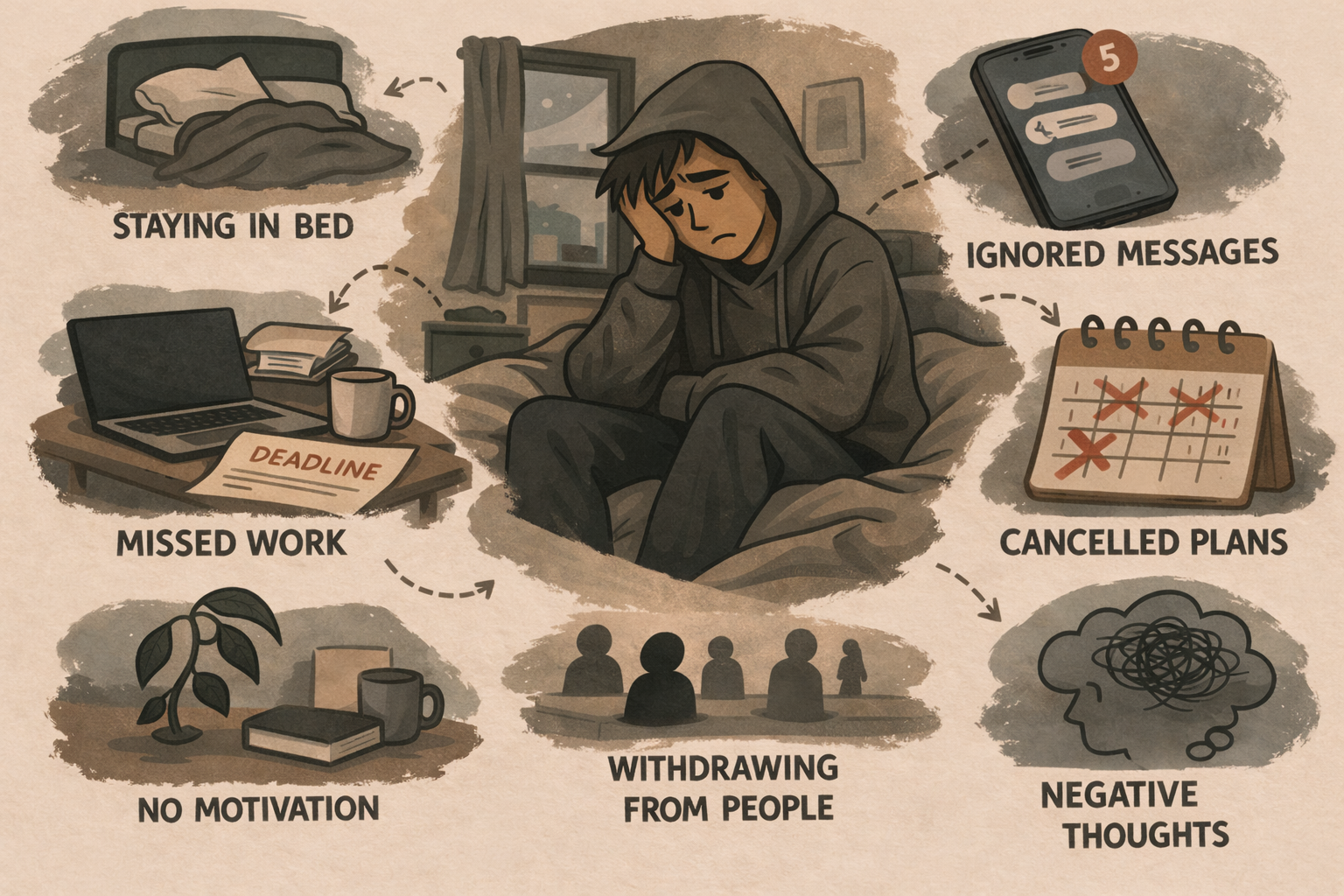
The depression is about loss of hope/energy — and feeling like you can’t cope
The low mood isn’t random — it’s usually tied to thoughts like:
“What’s the point? Nothing will change.”
“I can’t handle today.”
“I’m failing / I’m a burden.”
“Even if I try, it won’t work.”
So the core problem is feeling trapped in low mood, low energy, and hopeless thinking — like life is heavy and you don’t have enough inner resources to meet it.
These situations almost always trigger the dip
Not every single time — but typically, when you face things that demand energy, motivation, or social effort (getting up, work/school tasks, self-care, social plans, responsibilities), your system goes into a kind of shutdown mode: heaviness, exhaustion, numbness, withdrawal, and slowed thinking.
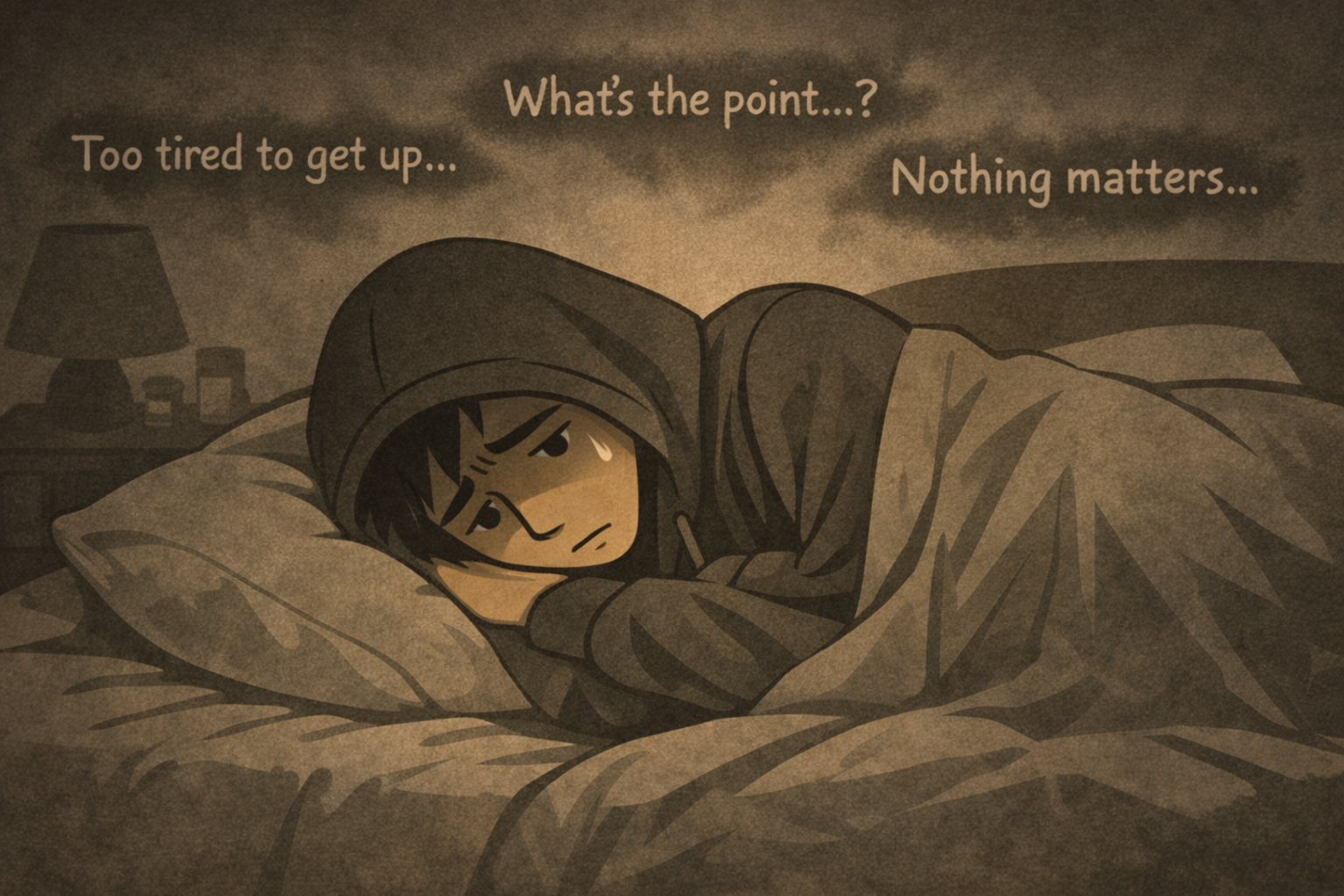
You start withdrawing, needing support, or pushing through exhausted
People often cope by:
avoiding things entirely (work/school, friends, hobbies, messages, errands)
only doing it if someone helps (someone prompting you, coming with you, doing it alongside you)
doing it, but in distress (feeling numb, slowed down, tearful, irritable, or “acting normal” while struggling inside)
It feels bigger than the actual task
A key part of depression is that the effort required feels out of proportion to what’s happening — even simple things (showering, replying, making food, leaving the house) can feel impossibly heavy.
It’s not laziness. Your body and brain are running on low energy, low reward, and high self-criticism — so tasks can feel like climbing a hill with no fuel.
Symptoms are present most of the day, nearly every day, for at least 2 weeks — and often longer.
And usually there’s a pattern of persistence: the low mood / low interest sticks around, or keeps returning, and it starts affecting daily functioning.
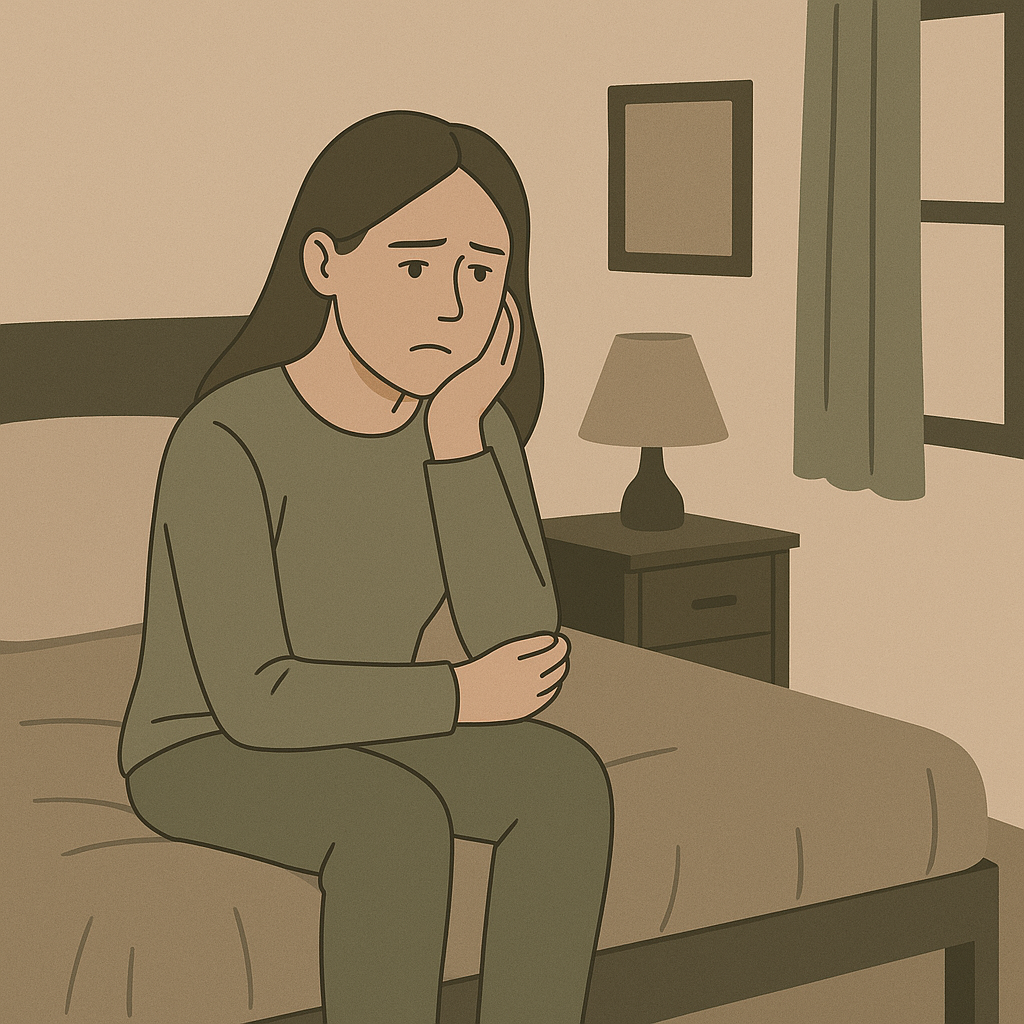
It’s messing with your everyday life
For a provisional diagnosis, depression symptoms need to cause meaningful distress or impairment — meaning they noticeably get in the way of things like:
getting up / self-care (washing, eating, sleep routine)
work or studying (motivation, performance, concentration, attendance)
relationships (withdrawing, irritability, feeling disconnected)
keeping up with life admin (shopping, emails, bills, cleaning, appointments)
health routines (meds, exercise, meal prep, attending appointments)
socialising or leaving the house (cancelling plans, isolating, avoiding calls)